Regenerative Farm Management
Transformation of One Queensland Farm
"Healthy soil is the foundation of every productive garden and every successful farm."
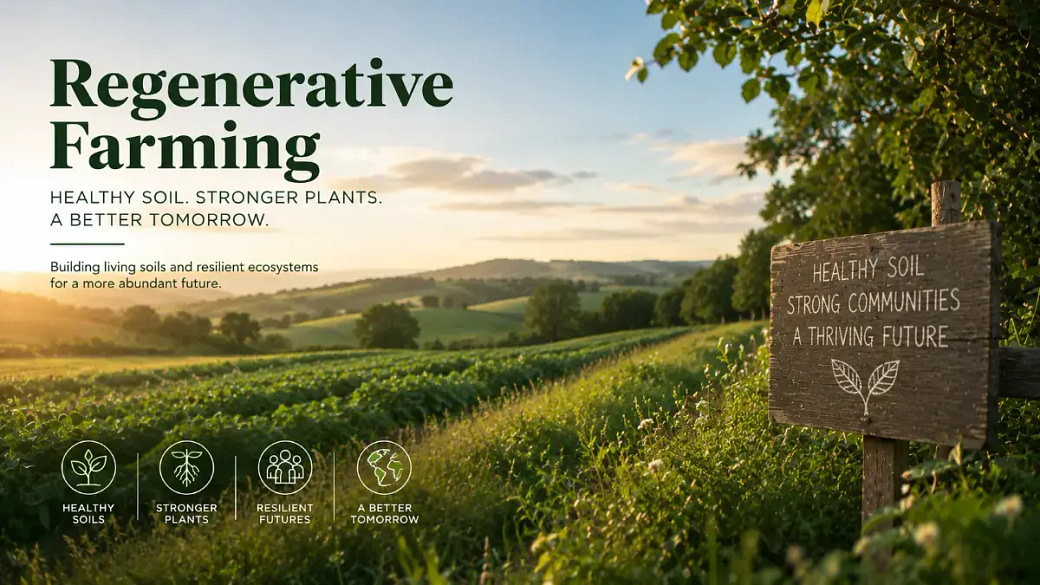
When we think about regenerative agriculture, it's easy to imagine large cattle properties that seem worlds away from our own backyards. However, the principles behind regenerative grazing—building healthy soil, conserving water and encouraging biodiversity—are exactly the same principles that make an organic garden flourish.
At our recent meeting, members were privileged to hear Brent Lashford share the story of his regenerative farming journey. His experiences demonstrated that by working with nature instead of against it, it's possible to improve soil health, increase productivity and create a landscape that is far more resilient during drought.
Finding the Right Property
Around 25 years ago, Brent purchased a 400-acre property in the Machine Creek district, behind Mt. Larcom in Central Queensland. The purchase followed an 18-month search, during which he immersed himself in regenerative farming ideas and learned from innovators such as Peter Andrews and other landholders who were pioneering natural landscape management.
From the very beginning, Brent decided that restoring natural processes would be the key to managing his property.
Today the farm is divided into 27 paddocks, each carefully managed to maximise pasture recovery and make the best use of available rainfall.
Restoring Nature's Water Cycle
One of Brent's first priorities was repairing the compacted soil layers left by decades of conventional farming.
Beginning in 1998–99, each paddock was deep-ripped once using a bulldozer fitted with specially designed tines. These tines fractured the hard plough pan beneath the surface while causing very little disturbance to the existing pasture.
The work was carried out precisely along the contour using a laser level, while strips of toilet paper marked the line for the operator.
Although simple, this process delivered enormous benefits.
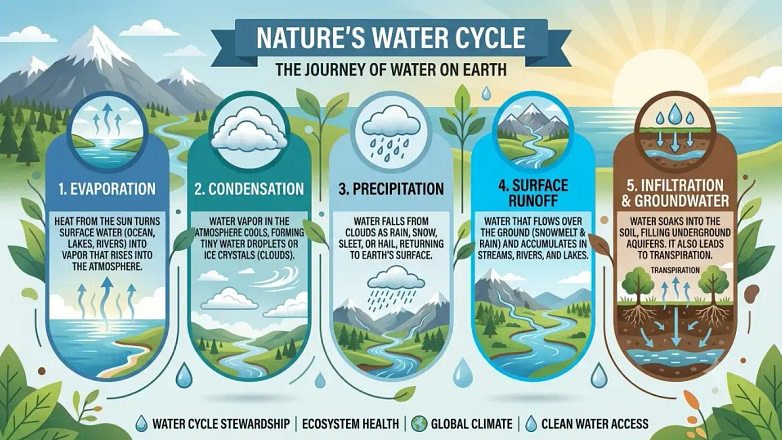
Instead of heavy rain rushing downhill, much more water now spreads gently across the landscape before soaking deep into the soil. Water that once left the property as runoff is now stored underground where plants can access it during dry periods.
This simple change has dramatically increased the farm's drought resilience.
Working with nature means keeping rainfall where it falls, rather than watching it disappear down the nearest creek.
Every Drop Counts
Water management extends throughout the property.
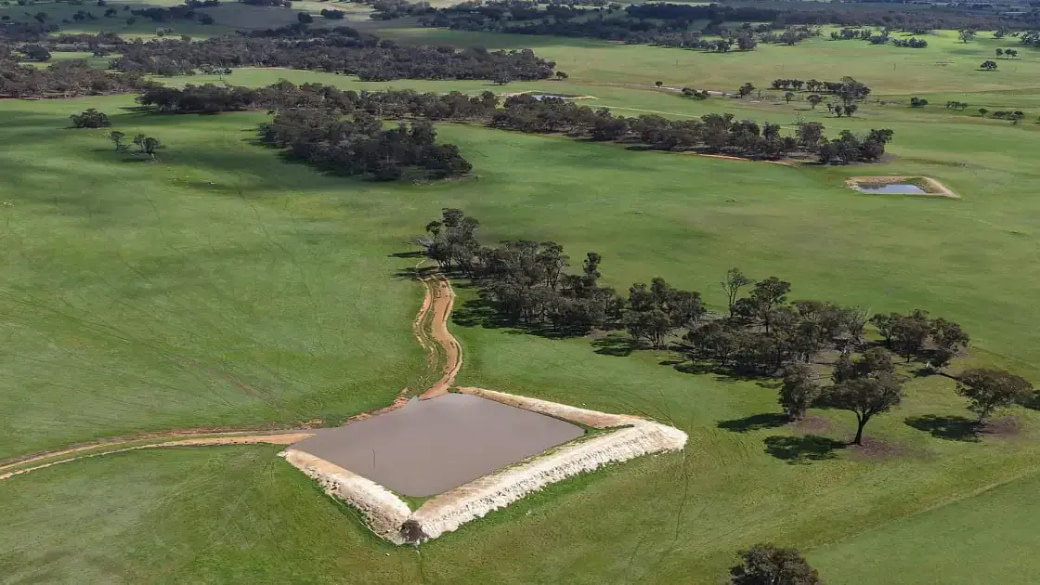
Where practical, Brent has constructed a dam in each paddock, with additional watering points installed elsewhere. Small weirs have also been built across drainage gullies to slow the flow of stormwater.
Rather than allowing valuable rainfall to escape quickly, these structures encourage water to spread out and gradually soak sideways into surrounding soils, recharging the landscape naturally.
The result is healthier pastures that remain greener for much longer after rain.
Diversity Builds Resilience
Nature rarely relies on a single plant species, and neither does Brent.
His long-term goal is to establish between 20 and 40 different grasses, legumes and broadleaf species throughout his pastures.
Additional species are introduced using a disc planter, while Pangola grass—an excellent pasture grass that produces little or no viable seed—is established from runners in wetter areas.
The value of this diversity became obvious when Queensland bluegrass suffered severe dieback. Instead of leaving bare ground, other pasture species quickly filled the gaps, maintaining productivity and protecting the soil.
Biodiversity isn't simply attractive—it is one of nature's best insurance policies.
Grazing That Regenerates
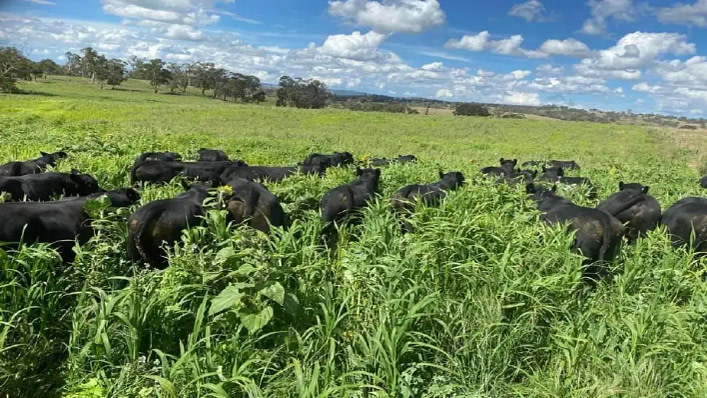
Brent fattens steers rather than operating a breeding herd, giving him greater flexibility to adjust stock numbers according to seasonal conditions.
His cattle are moved regularly through the property's 27 paddocks, grazing each area for only a short period before moving on.
This rotational system allows grasses time to recover, rebuild their root systems and continue feeding the vast community of microorganisms living beneath the soil surface.
Every time healthy plants regrow, they transfer carbon into the soil through their roots, increasing soil organic matter and improving fertility naturally.
Healthy Soil Produces Healthy Farms
Nature has been storing carbon through plants for millions of years—and it does so free of charge.
By encouraging vigorous plant growth and minimising soil disturbance, Brent's land has become steadily more productive.
When he first purchased the property, it supported approximately 30 steers.
Today, under similar seasonal conditions, it can comfortably carry around 90 steers.
That remarkable increase has come not through greater inputs, but through healthier soils, improved water management and more resilient pastures.
What Can Home Gardeners Learn?
Although Brent manages hundreds of acres, the lessons apply equally to every home garden.
Healthy gardens and healthy farms both depend on:
- Building healthy, living soil.
- Keeping the soil covered with plants or mulch.
- Capturing rainfall where it falls.
- Encouraging plant diversity.
- Minimising unnecessary soil disturbance.
- Feeding the soil biology instead of relying solely on fertilisers.
- Working with natural systems rather than trying to overpower them.
Whether you're growing tomatoes, fruit trees or native flowers, these same principles create healthier plants, reduce watering requirements and build more resilient gardens.
A Walk Around the Farm
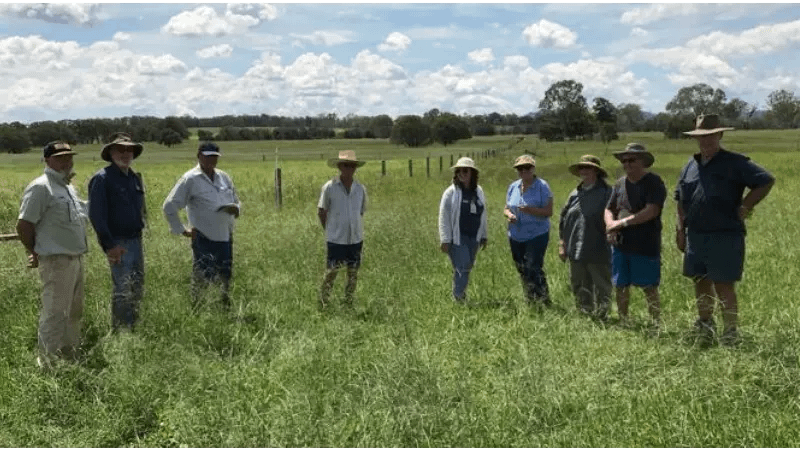
After Brent's presentation, members enjoyed a guided walk around his sheds and paddocks.
Seeing the healthy pastures, diverse plant life and thoughtful water management firsthand brought his presentation to life. It was a wonderful opportunity to observe regenerative agriculture in practice and appreciate how small, carefully planned changes can produce remarkable long-term results.
Many members came away inspired with ideas they could apply in their own gardens.
Thank You
Our sincere thanks to Brent for generously sharing his knowledge, experience and enthusiasm.
His story is a powerful reminder that healthy soils are our most valuable resource. Whether we manage a few square metres of vegetables or hundreds of acres of grazing land, working with nature will always produce healthier landscapes for future generations.
Did You Know?
Healthy soil can hold many times more water than compacted soil.
By increasing organic matter and encouraging deep root systems, regenerative farming and organic gardening both improve the soil's ability to absorb rainfall, reducing runoff while making plants more resilient during dry periods.
Quote of the Day
"The best time to prepare for the next drought is while it's raining."