Our guest speaker at our February 2026 monthly meeting was Michael Fingland from Pachamama Regen, who presented an inspiring and thought-provoking talk on Regenerative Agriculture and Biochar.
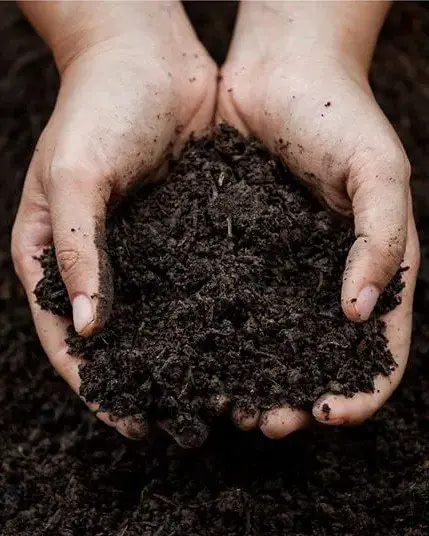
Michael began by emphasising what he sees as the vital connection between healthy soil, healthy food and healthy people. His philosophy is simple:
Healthy soil = Healthy gut = Healthy people.
According to Michael, healthy, living soil produces nutrient-rich food that supports a healthy gut microbiome, which in turn contributes to better overall health.
He suggested that decades of intensive chemical farming have depleted soil biology in many parts of the world, reducing soil fertility and the nutritional quality of food. Regenerative agriculture, he believes, offers a practical way to rebuild living soils while producing healthy, abundant crops.
What is Regenerative Agriculture?
Pachamama Regen develops regenerative products designed to restore soil biology and assist growers in transitioning towards regenerative organic farming.
Unlike conventional farming systems that often rely heavily on synthetic fertilisers and pesticides, regenerative agriculture focuses on restoring the natural processes that create fertile, resilient soils.
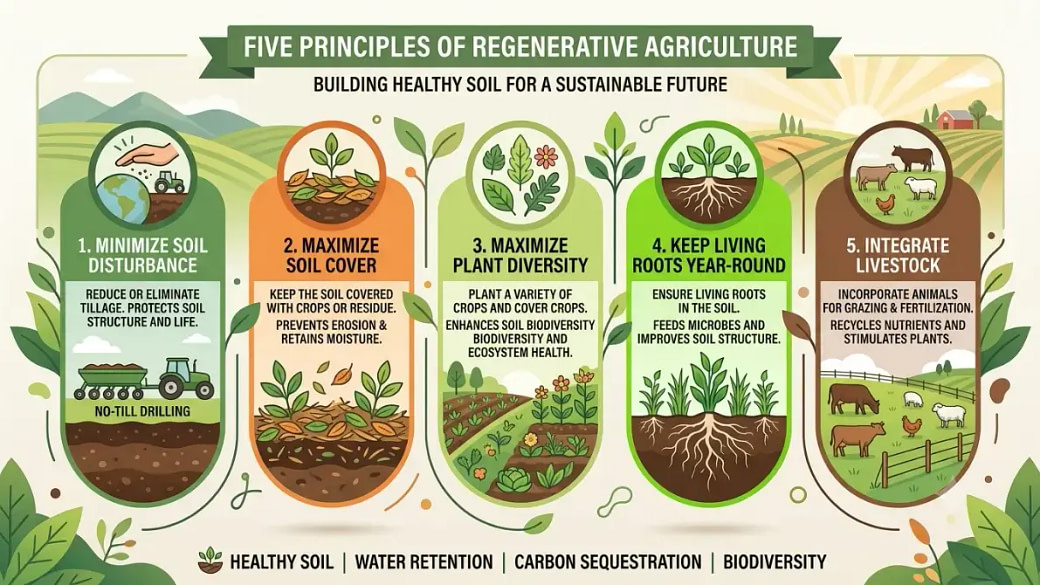
The key principles include:
- Minimise soil disturbance to protect beneficial soil organisms.
- Keep the soil covered with mulch or living plants.
- Maintain living roots in the soil for as much of the year as possible.
- Maximise plant diversity to encourage a healthy soil ecosystem.
- Reintroduce livestock where appropriate to help cycle nutrients naturally.
Together, these practices help build soil organic matter, improve water infiltration, increase biodiversity and reduce reliance on external inputs.
The Carbon Cycle
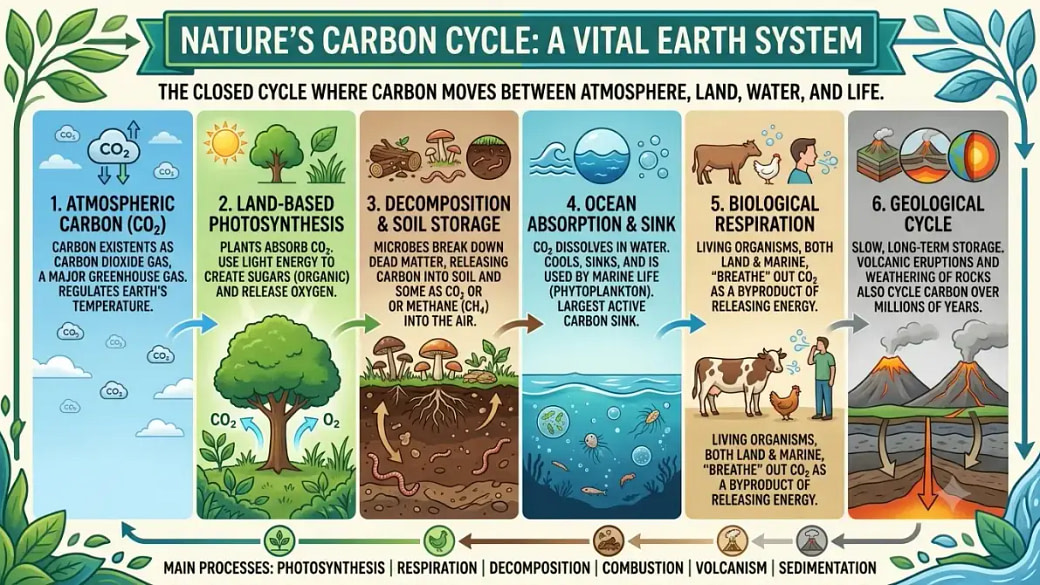
Michael briefly explained the importance of the carbon cycle.
Plants absorb carbon dioxide (CO₂) from the atmosphere during photosynthesis, using the carbon to build stems, leaves and roots while releasing oxygen back into the atmosphere. Carbon stored within plants eventually becomes part of the soil through roots and decomposing organic matter.
Healthy soils are rich in organic carbon, which provides food and habitat for billions of beneficial microorganisms.
Michael noted that many agricultural soils have lost significant amounts of their organic carbon over the past century. Rebuilding this carbon is one of the primary goals of regenerative agriculture because it supports soil life, improves fertility and increases resilience to drought.
Biochar: Ancient Wisdom for Modern Farming
Although biochar has become increasingly popular in recent years, the practice is far from new.
Centuries ago, Indigenous peoples of the Amazon created remarkably fertile soils known as terra preta ("black earth") by incorporating charcoal together with food scraps and organic materials. These soils remain highly productive today, long after surrounding soils have become less fertile.
Modern biochar builds on this ancient knowledge.
Biochar is a stable, carbon-rich material produced by heating organic matter—such as wood, agricultural waste, bamboo or nut shells—in a low-oxygen environment, a process known as pyrolysis.
At Pachamama Regen, macadamia shells provide an ideal raw material. This is particularly appropriate in the Bundaberg region, where macadamia production is a major industry. During manufacture, temperatures may reach around 700°C, producing a highly porous material.
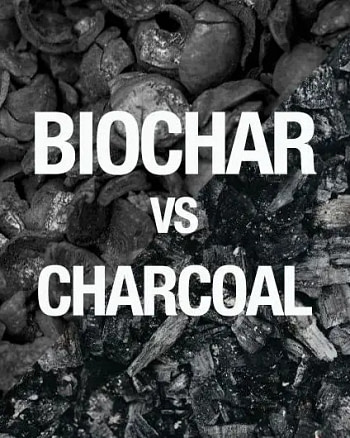
Biochar vs Charcoal: What’s the Real Difference?
Why Biochar Works
Michael described biochar as acting like a sponge within the soil.
It's countless microscopic pores:
- absorb and retain water,
- hold valuable nutrients,
- provide shelter for beneficial bacteria and fungi,
- reduce nutrient leaching, and
- improve overall soil structure.
The smaller the particle size, the greater the total surface area available for microbial colonisation. While larger pieces still provide benefits, finer biochar offers considerably more habitat for beneficial microorganisms.
Before application, biochar is often "charged" by blending it with compost or other organic materials so the pores become populated with microbes and nutrients before entering the soil.
Helping Farmers Transition
One of the challenges facing many growers is the transition from conventional farming to organic systems, which can take several years.
Michael explained that regenerative practices, including biochar, can help ease this transition by rebuilding soil biology and improving nutrient cycling.
As soil health improves, growers may experience:
- reduced chemical inputs,
- lower diesel consumption,
- decreased labour requirements,
- improved water efficiency, and
- healthier, more resilient crops.
He suggested that regenerative farming systems have the potential to dramatically reduce pesticide use while maintaining productive farms.
Potential Benefits of Biochar
Drawing on both research and field experience, Michael outlined a number of potential benefits associated with biochar and regenerative farming practices, including:
- Increased soil organic carbon.
- Improved soil structure and biological activity.
- Greater populations of beneficial bacteria, fungi, protozoa, nematodes and earthworms.
- Better nutrient retention and improved cation exchange capacity.
- Reduced soil erosion.
- Improved water-holding capacity, with water savings that may approach 50% under suitable conditions.
- Reduced reliance on synthetic fertilisers and pesticides.
- Stronger resistance to plant diseases.
- Higher crop yields in many situations.
- Improved nutrient density and longer shelf life of produce.
- Long-term carbon sequestration, helping remove carbon from the atmosphere.
Michael also shared examples suggesting that growers using biochar compost have observed improvements in plant growth and yield, together with significant reductions in irrigation requirements. As with any farming practice, results will vary depending on soil type, climate, crop and management.
Looking Ahead
Michael's presentation highlighted an exciting shift occurring in agriculture. Rather than simply feeding plants, regenerative agriculture aims to feed the soil first, allowing healthy soil biology to nourish plants naturally.
Whether applied on broadacre farms or in the home vegetable garden, the principles remain the same: build soil life, recycle organic matter, minimise disturbance and work with nature rather than against it.
For gardeners interested in improving soil fertility while reducing inputs, biochar is proving to be another valuable tool in creating productive, resilient and sustainable gardens.