
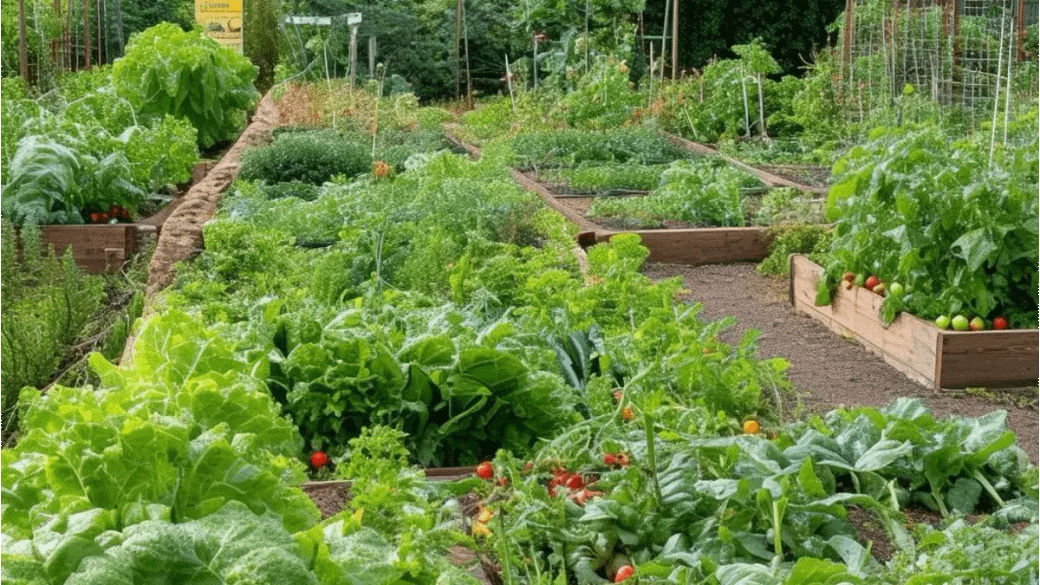
Sea Minerals – Giving Your Garden Nature's Complete Mineral Package
Healthy soil is much more than organic matter and compost. It is a living ecosystem that depends on a wide range of minerals to support soil biology, healthy plants and nutritious food. One way gardeners and farmers seek to replenish these minerals is through the use of liquid sea minerals.
What Are Liquid Sea Minerals?
Liquid sea minerals are produced from seawater after most of the sodium (salt) has been removed. What remains is a concentrated solution containing dozens of naturally occurring minerals and trace elements that have been washed from rocks into the oceans over millions of years.
While plants require well-known nutrients such as nitrogen, phosphorus, potassium, calcium and magnesium, they also benefit from many trace minerals that play important roles in plant metabolism and soil biology. Even though these elements are needed only in tiny amounts, they contribute to healthy plant growth and resilience.
Many organic gardeners use liquid sea minerals as part of a holistic soil management program, often alongside compost, worm castings, humic acid and other natural soil conditioners.
Why Use Sea Minerals?
Gardeners who regularly apply sea minerals often report a range of benefits, including:
- Stronger, healthier plant growth
- Improved root development
- Better flowering and fruit production
- Increased resistance to environmental stress
- Improved flavour and sweetness (higher Brix readings)
- Greater nutrient density in harvested produce
- Reduced insect pressure when plants are healthier
Although results vary depending on soil type, climate and overall soil management, many growers consider sea minerals an excellent way to restore trace elements that may be lacking in depleted soils.
Feeding the Soil First
Organic gardening focuses on feeding the soil rather than simply feeding the plant. Soil microorganisms require a broad range of minerals to function efficiently. When combined with organic matter and products such as humic acid, liquid sea minerals can help create an environment where beneficial microbes thrive.
Healthy soil biology leads to improved nutrient cycling, stronger root systems and healthier plants that are naturally more resilient.
A Pioneer of Sea Mineral Agriculture
One of the early advocates for using sea minerals in agriculture was Dr. Maynard Murray, whose influential 1976 book Sea Energy Agriculture explored the relationship between ocean-derived minerals, soil fertility and human nutrition.
Dr. Murray believed that replenishing the full spectrum of naturally occurring minerals could improve crop quality, livestock health and ultimately human health. His work inspired many organic and regenerative growers and continues to influence discussions about remineralising agricultural soils today.
How to Apply Liquid Sea Minerals
Seedlings and Transplants
New seedlings and recently transplanted plants benefit from a gentle mineral boost as they establish their root systems.
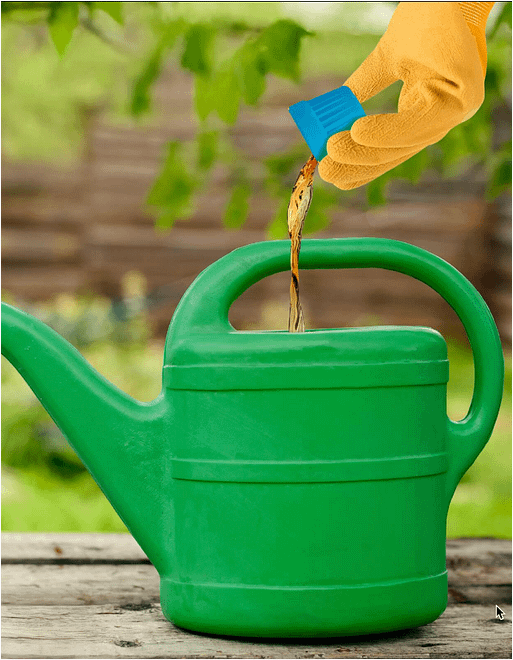
- Transplant drench: Mix 15 mL per litre of water. Water plants thoroughly after transplanting and repeat after 14 days.
Soil Drench
To replenish minerals in garden beds:
- Mix 15 mL per litre of water.
- Apply evenly over approximately 10 square metres of soil.
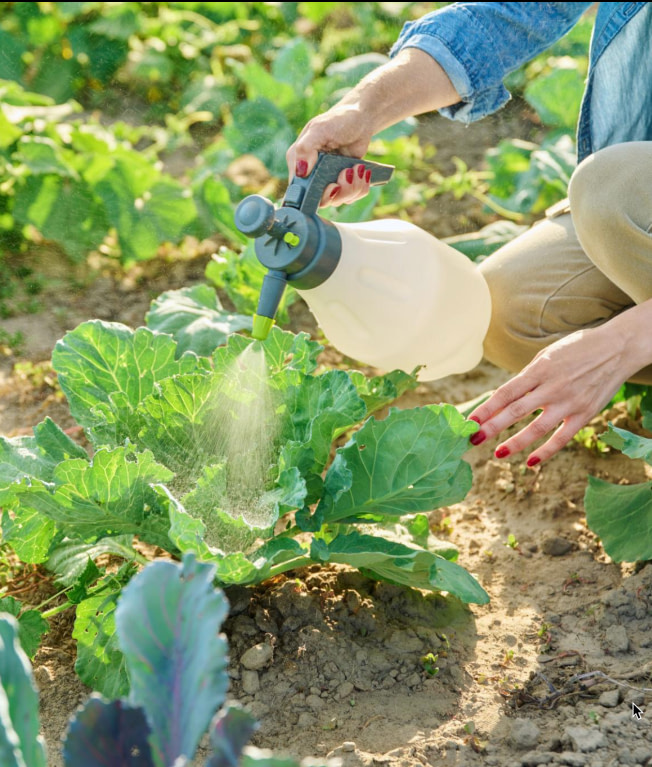
Foliar Spray
Leaves readily absorb dissolved minerals.
- Mix 5–10 mL per litre of water.
- Spray in the early morning or late afternoon to avoid leaf burn.
- Add a suitable wetting agent to improve coverage and absorption.
Broadacre Farming
For larger properties:
- Soil application: 3–5 litres per hectare.
- Foliar application: Approximately 5 mL per litre of water. Some growers report healthier crops and lower insect pressure following regular foliar applications.
Sea Minerals as Part of an Organic System
Liquid sea minerals work best when part of a complete organic gardening program rather than as a stand-alone solution. Combining them with compost, mulch, crop rotation, cover crops and healthy soil biology creates a balanced growing system that supports vigorous plants naturally.
For home gardeners, a small amount applied several times throughout the growing season can be an easy way to provide a broad spectrum of trace minerals that may otherwise be missing from the soil.
Healthy soil grows healthy plants—and healthy plants produce nutritious food for our families.