
Pigeon Pea - Cajan canjanus
I am sure that the majority of club members would have at least one bush/shrub/small tree of Pigeon Pea in your gardens by now. I have been banging on about this amazing plant for over a decade. Let me explain why I see it as an extremely important food plant.
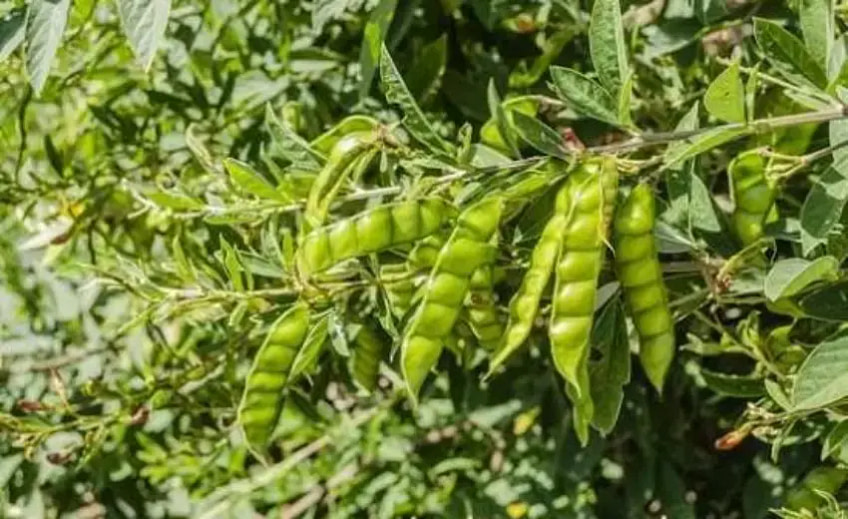
It feeds more people in India than rice, surprise - surprise. This statement was read out to me many years ago; I think it came from the father of Permaculture, Bill Mollison, the original food warrior. He taught people all over the world how to build sustainable food crops in some of the most inhospitable lands on earth.
It is a 4-year, short-lived perennial plant, offering quick shade to any space it is allowed to inhabit. This is perfect for the establishment of a shady, protected place to grow shade-loving plants in a full sun environment.
It is a nitrogen fixer, improving the soil in which it grows, which in turn benefits the other plants that grow with it.
Providing you grow enough of them, its leaves are useful for fodder forage for livestock, chop'n'drop mulch and soil improvement.
The bright yellow and burgundy flowers are bee forage; all pollinators will take advantage of the abundance of pollen, hence good fertilisation of the flowers.
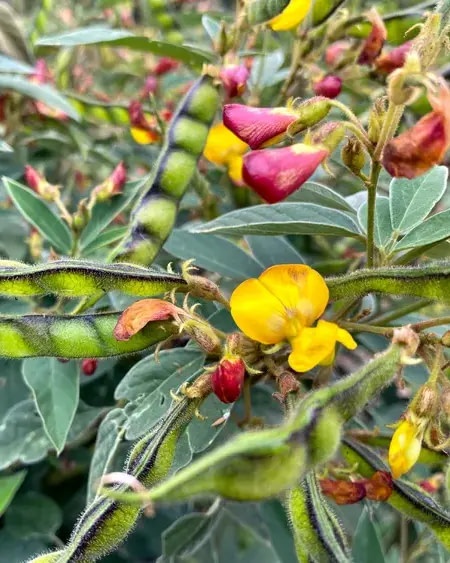
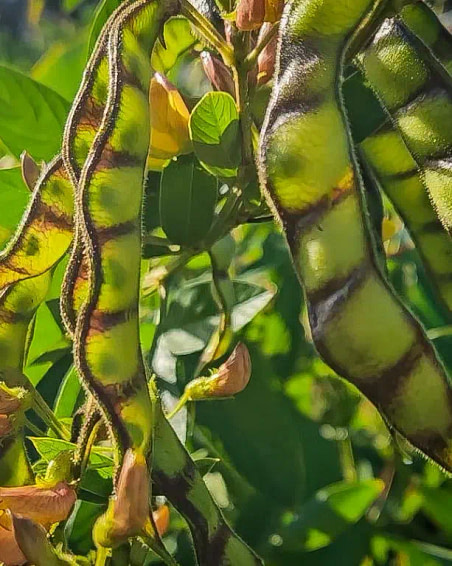
To reconstitute, treat them the same as any dried bean, legume or lentil, (they are called Toor Dahl in India; see photo) simply soak overnight then cook up till soft, then add to any soup, stew, curry, dip, paste or dish you prefer.

They are also terrific fodder for birds. Some will of course, be dropped into the soil, which will practically guarantee propagation for next season and the next generation of plants.
From a developing country's perspective, the twigs that come from this plant make great fire starters for us, either for the BBQ or as more mulch for the surrounding soil and drop.
When the 4 years are up and the tree dies, generally there is significant firewood of manageable size to send to the fire for kitchen or warmth. Again, in our present circumstances, more material for hugelkultur, burying in the base of a raised garden bed, or being tucked around the garden edges to break down and return to the soil. Some of you may prefer to put it through the mulcher first for a quicker breakdown as woodchip. There is also the possibility of inoculating the trunk pieces with mushroom spawn after wetting them down for some time to prepare them.