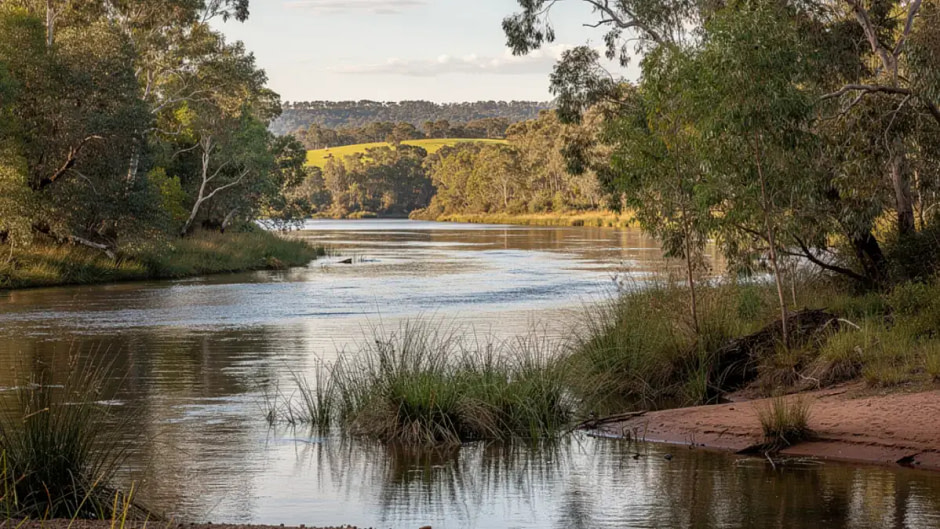
Moonaboola Meeting Place
Learning from Country, Culture and Community
We visited Moonaboola Meeting Place, St Helens, near Maryborough on Sunday, March 1st, 2026
One of the great pleasures of belonging to Bundaberg Organic Gardeners Inc. is the opportunity to visit places where people are actively caring for the environment while sharing their knowledge with others. Our recent visit to Moonaboola Meeting Place on the Fraser Coast proved to be far more than a simple tour—it was an inspiring journey into Indigenous culture, environmental stewardship and sustainable living.
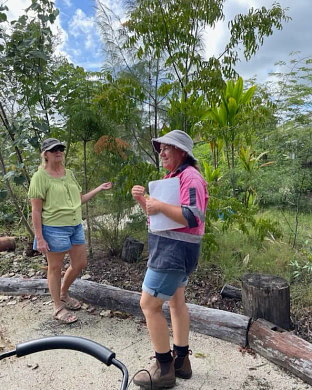
From the moment we arrived, we were warmly welcomed by Tina, who introduced us to the vision and purpose of Moonaboola Meeting Place. Her enthusiasm was infectious as she explained the many programs, workshops and community initiatives that empower Aboriginal and Torres Strait Islander people through education, practical skills and cultural connection.
What quickly became apparent was that Moonaboola is much more than a training centre. It is a place where culture is celebrated, traditional knowledge is preserved and practical opportunities are created for people to build confidence, employment skills and stronger connections with Country.

The Meaning Behind Moonaboola
The name Moonaboola is the traditional Butchulla name for the Mary River.
The river begins in the Conondale Range and flows north through fertile valleys before reaching the Great Sandy Strait near Hervey Bay. For thousands of years it has been the lifeblood of the region, supporting countless plant and animal species while providing food, water and transport for Aboriginal peoples, including the Butchulla, Kabi Kabi (Gubbi Gubbi) and Jinibara Nations.
To the Butchulla people, Moonaboola represents much more than a river. It symbolises the connection between the mountains and the sea and reminds us that all life is interconnected. The river links communities, ecosystems and generations, carrying not only water but also stories, culture and identity.
This philosophy of connection is reflected throughout Moonaboola Meeting Place.
A Centre Built on Community
As we toured the buildings, it became obvious that every part of the facility serves a purpose.
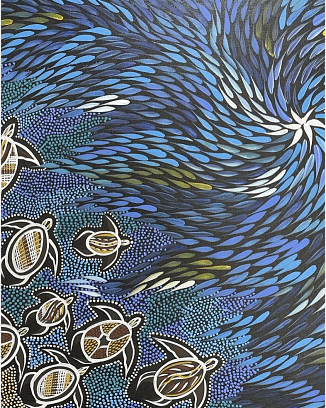
Beautiful Indigenous artwork adorns the walls, telling stories of Country, family and culture. Each piece adds warmth and character while reminding visitors that art has always been an important way of passing knowledge from one generation to the next.
The atmosphere throughout the centre is welcoming and inclusive. It is a place where people are encouraged to learn, ask questions and develop practical skills in a supportive environment.
One of the surprises for many of us was discovering the extensive collection of heavy machinery and equipment used in training programs.
These resources provide participants with valuable experience in areas such as:
- housing construction
- building maintenance
- conservation projects
- land management
- employment preparation
By combining practical training with cultural values, participants gain skills that improve employment opportunities while strengthening their connection with community.
Even more impressive is the fact that much of the work undertaken at Moonaboola relies on volunteers. With only modest government funding, the organisation continues to make an enormous contribution through the generosity and commitment of people who believe in its vision.
Walking the Bush Tucker Trail
For many gardeners, the highlight of the day was undoubtedly our guided walk along the Bush Tucker Trail.
As we wandered beneath the trees, Tina introduced us to a variety of native plants traditionally used for food, medicine and everyday living. We were fortunate enough to sample fruit from several bush tucker species while learning about the important role these plants have played for thousands of years.
Bush tucker is receiving increasing attention today, but Indigenous Australians have understood the value of native plants for countless generations. These species evolved under Australia's harsh climatic conditions, making many of them remarkably resilient to drought, poor soils and extreme temperatures.
For organic gardeners, they offer exciting possibilities.
Many native food plants:
- require less water than introduced species
- attract native birds, bees and beneficial insects
- provide habitat for wildlife
- are naturally adapted to local conditions
- contribute to biodiversity within the garden.
Growing even a few native edible plants alongside vegetables and fruit trees helps create a healthier, more resilient garden ecosystem.
Native Grasses—More Than Meets the Eye
One aspect of the Bush Tucker Trail that particularly caught my attention was the collection of native grasses.
Among those we observed were:
- Kangaroo Grass
- Barbed Wire Grass
- Cockatoo Grass
To many people, grasses may seem ordinary, but these native species have extraordinary ecological value.
Their deep root systems help improve soil structure, increase organic matter, reduce erosion and enhance water infiltration.
Unlike many introduced pasture grasses, native grasses often remain productive during dry periods while supporting a wide range of insects, birds and small animals.
Modern regenerative farmers are increasingly recognising the importance of restoring native grasses to improve soil health and landscape resilience.
Many of these principles closely mirror those promoted by organic gardening—working with nature rather than constantly trying to overcome it.
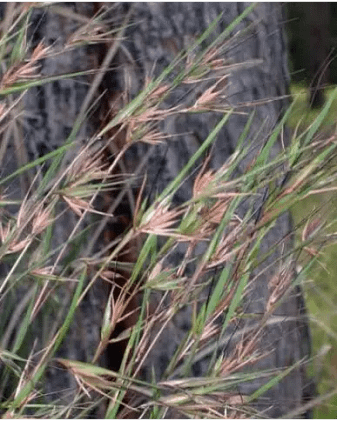
Kangaroo grass
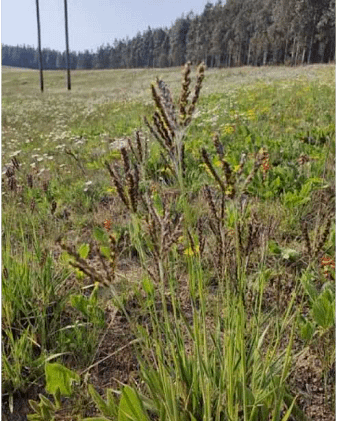
Cookatoo Grass
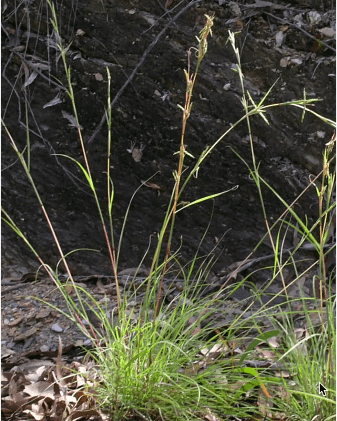
Barbed wire grass
Growing Native Plants for the Future
Another fascinating part of our visit was the propagation tunnel.
Here, native trees, shrubs, grasses and vines are carefully propagated before being transferred to the adjoining nursery.
The nursery supplies plants for revegetation projects and community planting programs, helping restore local ecosystems and preserve native biodiversity.
Propagation requires patience, observation and care.
Every seedling represents the possibility of a healthier landscape in the future.
Many of us came away inspired to experiment with propagating more native species in our own gardens. Native plants not only support local wildlife but often require less maintenance and water once established.
Traditional Weaving and Sustainable Living
Moonaboola also provides opportunities for students to learn traditional weaving techniques.
Using natural fibres such as milkweed and other locally available materials, participants create baskets, decorative items and cultural artworks.
These activities are about much more than producing beautiful craft.
They preserve traditional knowledge, encourage creativity and reinforce the importance of using renewable natural resources responsibly.
Recycling, reusing and respecting natural materials are everyday practices here.
These principles are entirely consistent with organic gardening, where composting, recycling garden waste, conserving water and reducing unnecessary consumption form the foundation of sustainable living.
Caring for Country
Perhaps the greatest lesson from our visit was the Indigenous concept of Caring for Country.
This philosophy extends well beyond environmental management.
It recognises that people, plants, animals, waterways and landscapes are inseparable.
Healthy Country supports healthy communities.
Rather than attempting to dominate nature, Indigenous land management seeks to understand natural systems and work alongside them.
For organic gardeners, this is a familiar philosophy.
Healthy soils produce healthy plants.
Healthy plants support healthy insects.
Healthy insects sustain birds and wildlife.
Everything is connected.
The more we understand these relationships, the better gardeners—and caretakers—we become.
The Three Butchulla Laws
Moonaboola Meeting Place proudly acknowledges the Butchulla (Badtjala) people as the Traditional Owners and Custodians of the lands and waters of the Fraser Coast region.
Throughout the centre, visitors are reminded of the three traditional Butchulla laws:
What is good for the land must come first.
This simple principle perfectly reflects modern ideas of environmental sustainability. When decisions benefit the land, they ultimately benefit everyone who depends upon it.
Do not touch or take anything that is not yours.
Respect—for people, wildlife, culture and natural resources—is fundamental to healthy communities.
If you have plenty, you must share.
Sharing knowledge, food, seeds, plants and skills has always been central to community gardening. It is also one of the defining characteristics of Bundaberg Organic Gardeners Inc.
These three laws are remarkably relevant today.
They provide a framework not only for caring for the environment but also for building stronger, kinder communities.
Lessons for Organic Gardeners
As gardeners, it is easy to become focused on improving our own backyards.
Our visit reminded us that gardening is about much more than growing vegetables.
Every compost heap improves soil.
Every flowering native attracts pollinators.
Every tree planted provides habitat.
Every conversation shared spreads knowledge.
Moonaboola demonstrates how environmental care, education and community development can all work together.
There is much we can learn from Indigenous knowledge—particularly the importance of observing nature, respecting natural systems and thinking in terms of generations rather than seasons.
Many gardening practices that are now considered innovative—building healthy soils, encouraging biodiversity, conserving water and restoring ecosystems—have long been part of Indigenous land management.
A Place That Inspires Hope
Our visit left many of us feeling both inspired and optimistic.
Moonaboola Meeting Place is a wonderful example of what can be achieved when people work together with respect for culture, community and the environment.
Despite limited financial resources, the dedication of staff and volunteers has created a vibrant centre that provides practical education, employment pathways, environmental restoration and cultural preservation.
For our gardening group, the experience reinforced an important truth.
Healthy communities begin with healthy landscapes.
Whether we are planting native grasses, propagating local trees, growing organic vegetables or simply sharing gardening knowledge with neighbours, we all have an opportunity to contribute.
Moonaboola reminds us that sustainability is not simply about what we grow.
It is about how we live, how we care for the land and how willingly we share what we have learned with others.
As we departed, we carried home much more than photographs and memories. We left with a deeper appreciation of Australia's oldest living culture and a renewed understanding that caring for Country, caring for community and caring for one another are all part of the same journey.
It is a lesson every gardener can embrace.