Grow, Harvest, and Thrive: Your Guide to Organic Basil
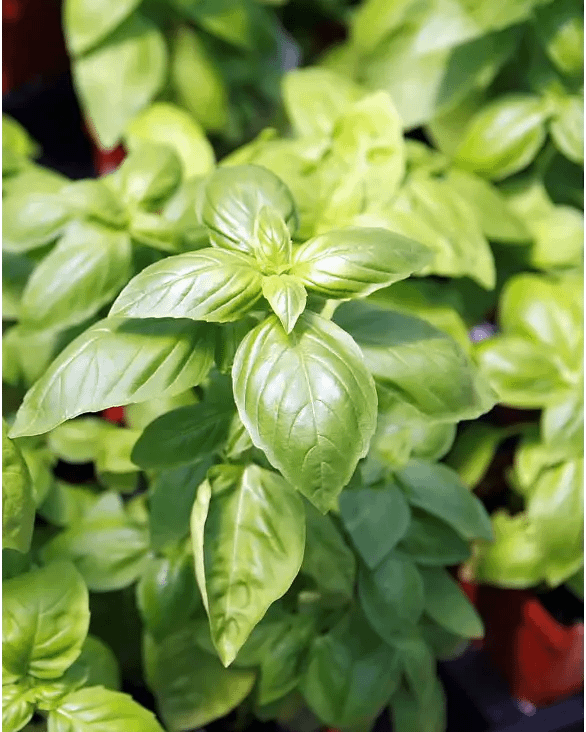
Basil, a beloved herb in many cuisines, is also a fantastic addition to any organic garden. It's relatively easy to grow, offers a continuous harvest, and can thrive in various settings from garden beds to sunny windowsills. Cultivating basil organically ensures you get the freshest, most flavourful leaves free from synthetic pesticides and fertilizers. This guide will walk you through the essentials of growing and harvesting basil, emphasizing organic practices.
How to Grow Basil Organically
- Sunlight: Choose a location that receives 6 to 8 hours of full sun per day. In very hot climates, a spot with some afternoon shade can be beneficial. A sunny windowsill is also suitable for indoor growing.
- Soil: Basil thrives in fertile, well-draining soil rich in organic matter. Amend garden soil by digging in homemade compost. If growing in containers, opt for a high-quality organic potting mix. The ideal soil pH for basil is between 6.0 and 7.0.
- Watering: Keep the soil consistently moist but not waterlogged. Basil can be sensitive to drying out.
- Feeding: While fertile soil is key, occasional feedings with a liquid organic fertiliser can further enhance growth.
The Right Way to Harvest Basil
Regular harvesting is crucial for a continuous supply of basil leaves and to encourage bushier growth.
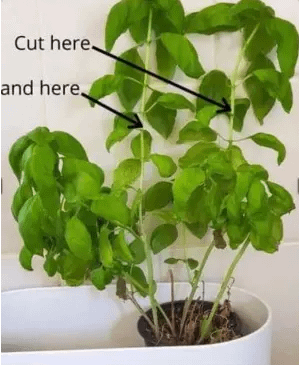
- Pinch Regularly: Once the plant has grown several sets of true leaves, begin pinching off the top two sets of leaves from each stem. This encourages the plant to branch out, resulting in more leaves.
- Prevent Flowering: If you see flower buds forming, pinch them off immediately. Flowering signals the end of the plant's leafy growth cycle and can cause the leaves to become bitter.
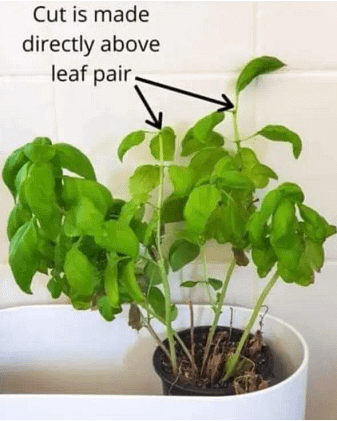
- Technique: Harvest by pinching or snipping just above a set of leaves on the stem. This promotes new growth from those points. Avoid removing more than one-third of the plant at a time to prevent stressing it.
- Trim from the Top: Cut above a set of leaf nodes near the top to encourage bushier growth.
- Use Clean Scissors: Make clean cuts to prevent damage and disease.
- Harvest regularly, in moderation: Trim often, but don't remove more than one-third of the plant at a time.
Extra Tips for a Thriving Basil Plant
- Avoid harvesting in heat: Pick in the morning or evening to reduce plant stress.
- Pinch flower buds: This keeps the plant focused on growing leaves.
- Rotate harvest areas: Don't pick repeatedly from the same spot.
Following these steps will promote lush, full growth, giving you an abundant supply of basil leaves all season!
Common mistake: Avoid Plucking Individual Leaves
Never pick basil leaves in this way: it kills them instantly
Pulling individual leaves, especially from the bottom, stresses the plant and stunts growth.
How to use basil
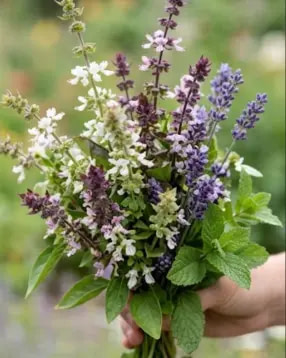
Five things you can do with basil flowers: Keep them - don't throw them away!
Culinary Uses
Herbal Garnish
Use basil flowers to garnish salads, soups, and pasta. They add colour and a hint of basil flavour.
Infused Oil and Vinegar
Infuse basil flowers in olive oil or vinegar for a few weeks to create fragrant dressings and marinades.
Making Basil Flower Tea Herbal Tea
Steep a handful of basil flowers in hot water for 5-10 minutes. Strain and sweeten with honey for a soothing, aromatic tea.
Crafting and Décor Floral Arrangements
Incorporate basil flowers in bouquets and floral arrangements for a unique touch.
Combine with other herbs and flowers for added fragrance.
Potpourri
Dry basil flowers and mix with other herbs and essential oils to create a pleasant-smelling potpourri for any room.
Natural Insect Repellent
Insect Deterrent: Place fresh or dried basil flowers in small sachets around your home or patio to repel insects such as mosquitoes and flies.
Seed Saving
Harvest Seeds: Let some flowers mature and produce seeds.
Collect the dried seeds for future planting or sharing with friends.