
Butterflies: Nature's Delicate Pollinators and Environmental Champions
Peter Wilson, affectionately known as "The Butterfly Man," is a retired soil scientist whose lifelong passion for collecting, breeding, and studying butterflies has given him a remarkable understanding of these fascinating insects. During his presentation to the Bundaberg Organic Gardeners, Peter shared not only the beauty of butterflies but also the essential role they play in maintaining healthy ecosystems.
Insects: The Unsung Heroes of Nature
Insects are the most diverse group of animals on Earth. In fact, there are two to three times more insect species than all other animal species combined. Their incredible diversity allows them to occupy almost every terrestrial habitat and perform countless ecological functions.
Different insects feed on a wide range of materials, including:
- Living plants
- Fungi
- Decaying organic matter
- Other animals
In turn, insects provide food for birds, reptiles, mammals, amphibians, fish, spiders, and even some carnivorous plants. Without insects, healthy ecosystems simply could not exist.
Butterflies and Moths – Close Relatives
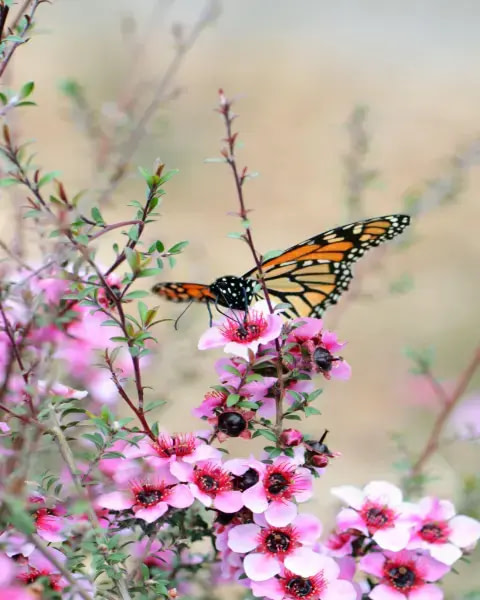
Butterflies and moths belong to the order Lepidoptera, the second-largest group of insects. While they are closely related, one of the easiest ways to distinguish them is by how they rest.
- Butterflies usually fold their wings upright over their backs when resting.
- Moths generally rest with their wings spread flat or held roof-like over their bodies.
Many moths are active at night, while butterflies are mostly daytime fliers, although there are exceptions to both.
Australia's Amazing Butterfly Diversity
Australia is home to around 470 butterfly species, found across every terrestrial habitat—from alpine regions and deserts to rainforests and tropical islands, including the Torres Strait.
These species are grouped into five butterfly families, each with its own unique characteristics.
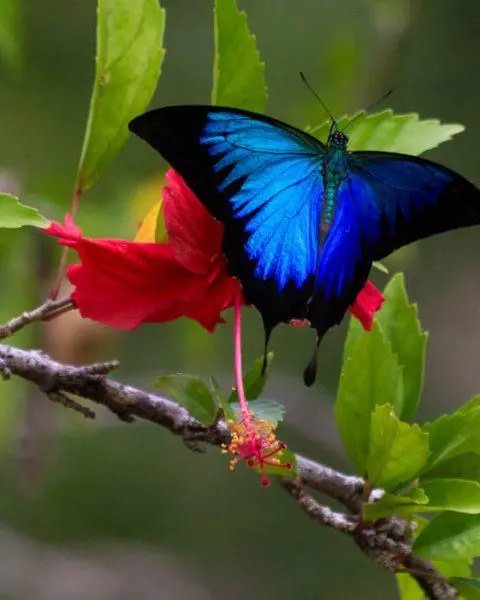
Some of Australia's most spectacular butterflies are the Swallowtails, medium to very large butterflies that include giants with wingspans approaching 20 centimetres, particularly in the Torres Strait and nearby Papua New Guinea.
At the other end of the scale are the charming Blues, which range from tiny 1-centimetre butterflies to medium-sized species. Many of these have one of nature's most remarkable partnerships—a mutual relationship with ants. The ants protect the caterpillars from predators, while the caterpillars reward the ants with sugary secretions that the ants eagerly consume.
Why Butterflies Matter
Butterflies are far more than beautiful garden visitors.
They are important pollinators, helping many flowering plants reproduce. Long before European honey bees arrived in Australia, native insects—including butterflies—were responsible for pollinating countless native plants.
Butterflies also play an essential role in the food web. Their eggs, caterpillars, pupae, and adults provide nourishment for many animals, making them a vital link in healthy ecosystems.
Perhaps most importantly, butterflies are excellent environmental indicators. Because they are sensitive to habitat quality, pollution, and climate, healthy butterfly populations usually signal a healthy environment.
Why Butterfly Numbers Decline
Despite their abundance, butterflies face many challenges throughout their lives.
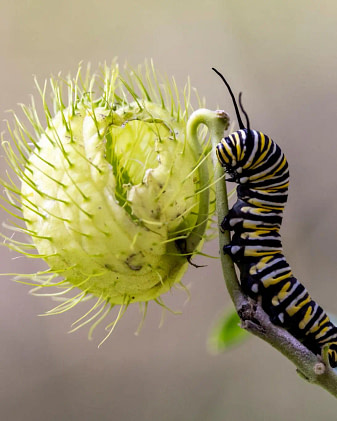
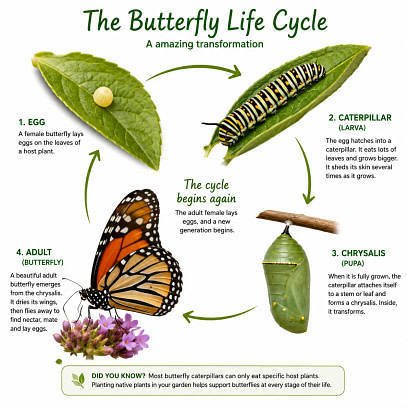
A butterfly's journey from egg to caterpillar, chrysalis, and finally adult is filled with hazards. Birds, spiders, lizards, wasps, flies, and other predators feed on them at every stage. Parasites and diseases also take their toll.
Human activities add further pressures:
- Habitat destruction removes the native plants butterflies need for food and breeding.
- Insecticides and other chemicals can kill both caterpillars and adult butterflies.
- Climate change is altering flowering times, temperatures, and rainfall patterns, making survival more difficult for many species.
As Peter Wilson reminded us, "everything wants to eat a caterpillar." Only a tiny percentage survive to become the colourful butterflies we enjoy in our gardens.


Creating a Butterfly-Friendly Garden
The good news is that gardeners can make a real difference.
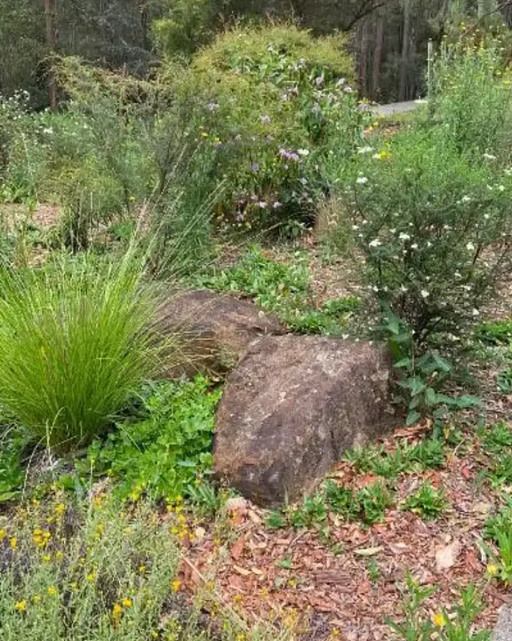
By planting a diverse range of flowering plants for nectar, growing native host plants for caterpillars, avoiding unnecessary pesticides, and providing sheltered areas, home gardens can become valuable refuges for butterflies.
Every butterfly-friendly garden contributes to healthier local biodiversity and helps ensure these beautiful insects continue to grace our landscapes for generations to come.
Question: How long do they stay as pupae?
Answer: One skipper butterfly has a pupae stage of 2 years and that is the longest but usually it is a month or two. Some pupae can even go dormant while they wait for rain.
Question: How long do adult butterflies live?
Answer: A couple of weeks, but some can live up to a year depending on the species. The smaller butterflies don’t live as long. It also depends on their environment.
Question: What is a butterfly-attracting plant?
Answer: A plant which the larvae (caterpillars) can eat or that will provide nectar for adult butterflies.
Question: How can I increase the butterflies in my garden?
Answer: You can encourage them to breed by providing a food plant for the larvae (caterpillars) to feed on (different varieties of butterfly larvae require different plants). You can also provide flowering plants for adult butterflies. You can obtain advice and plants from Gin Gin Landcare, or request a handbook that provides information about the butterfly’s food source.